
About Adelya
Objects, People, Brands and Places – the details that make us look at.
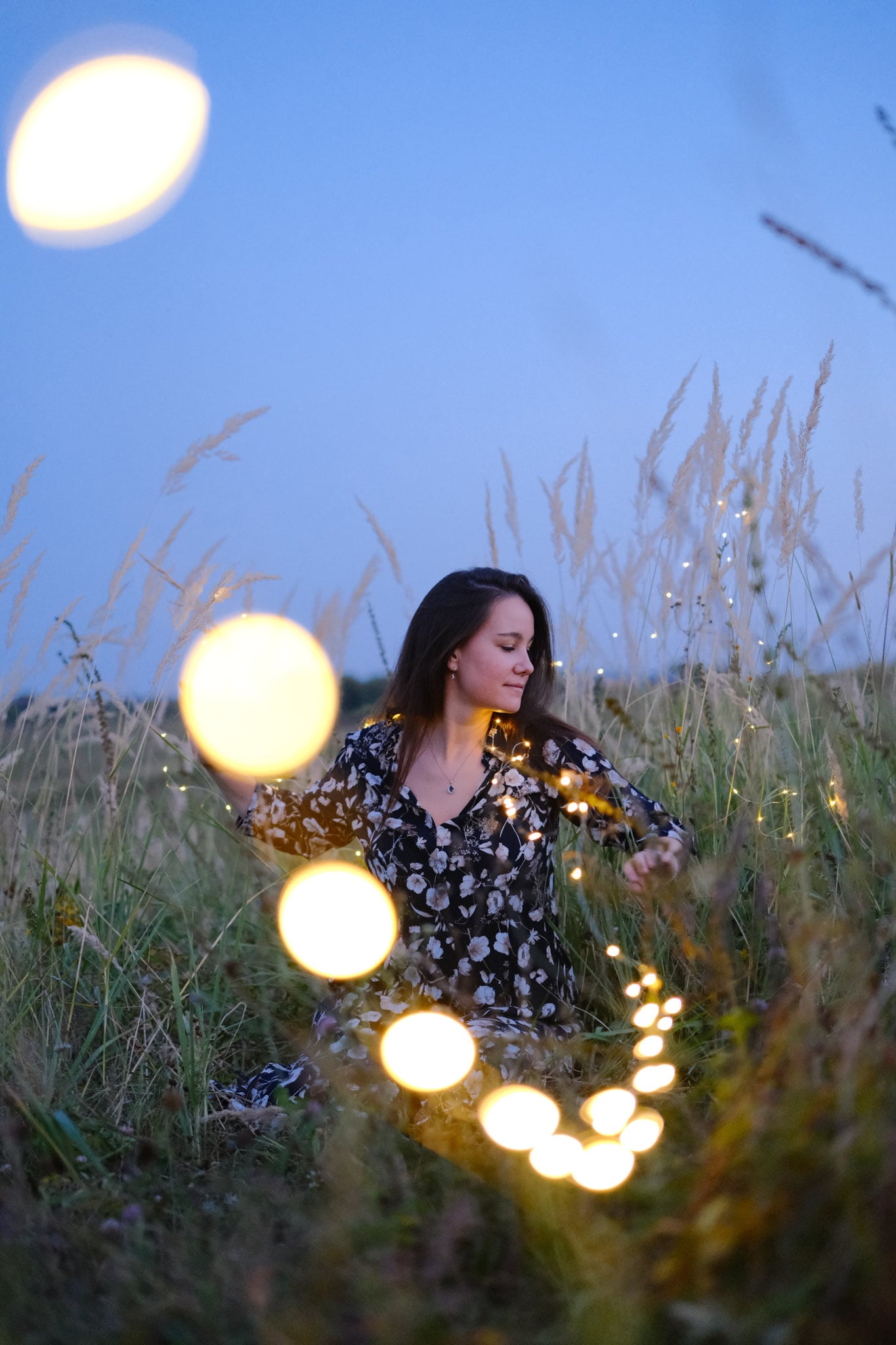
Adelya is the illustrator and artist behind @aduk.art. Her practice moves between digital illustration and traditional painting, creating images for stories, brands, spaces and personal commissions.
Explore the workTalk about a projectDigital illustration · Watercolor · Gouache · Oil

A picture can do more
than fill a space.
A portrait can make a familiar face feel newly seen. A book illustration can give a reader somewhere to stay. A painted piece can change the feeling of an everyday corner. The work here moves between those different kinds of attention.
The portfolio includes expressive digital portraits, botanical studies, food illustrations, illustrated characters and watercolor scenes. Some pieces are made for a defined use; others belong to a personal collection or an ongoing study.
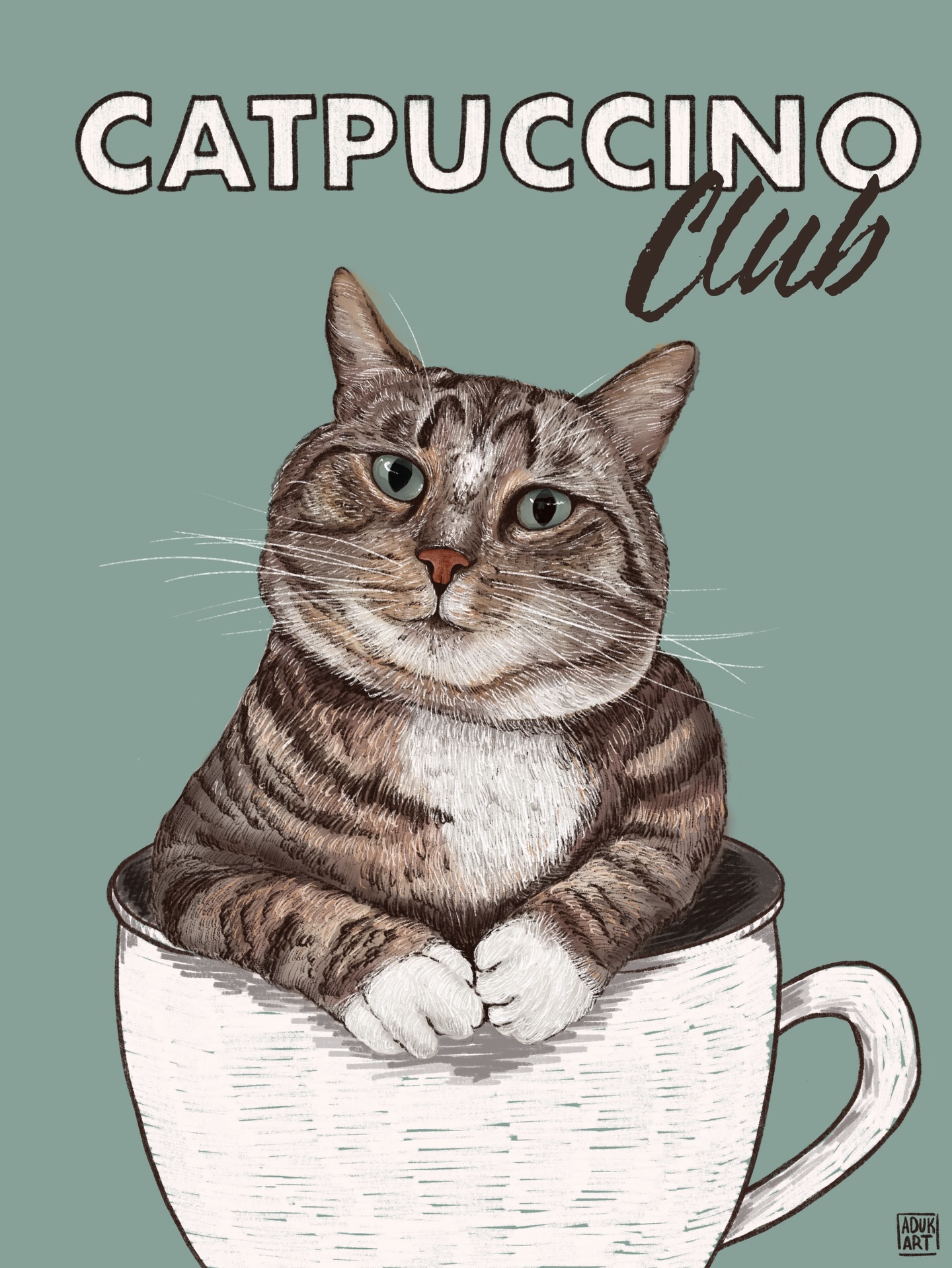
Look closely and the small decisions become part of the story: a hand resting on a cup, an unexpected color in a coat, the shape of a leaf, a house held in a few washes of paint. Subject and atmosphere work together.
For a commission, the starting point is your project: what the image needs to communicate, where it will appear and what you would like people to notice. The medium and the level of detail follow that conversation.
Different materials.
A connected body of work.
Watercolor leaves room for the paper and the movement of pigment. Gouache brings a different density of color. Digital work opens up its own way of building shape, texture and expression. In the portfolio, these approaches sit beside each other rather than competing for a single label.
The studio journal makes some of that work visible: references, sketchbook pages, material tests and the progression of an illustration. It also includes learning exercises, with their context kept attached to the work.
That is a more useful introduction than a long list of software. You can see what happens between an idea and an image, and decide whether that way of looking fits what you are making.
Start with a piece that stays with you.
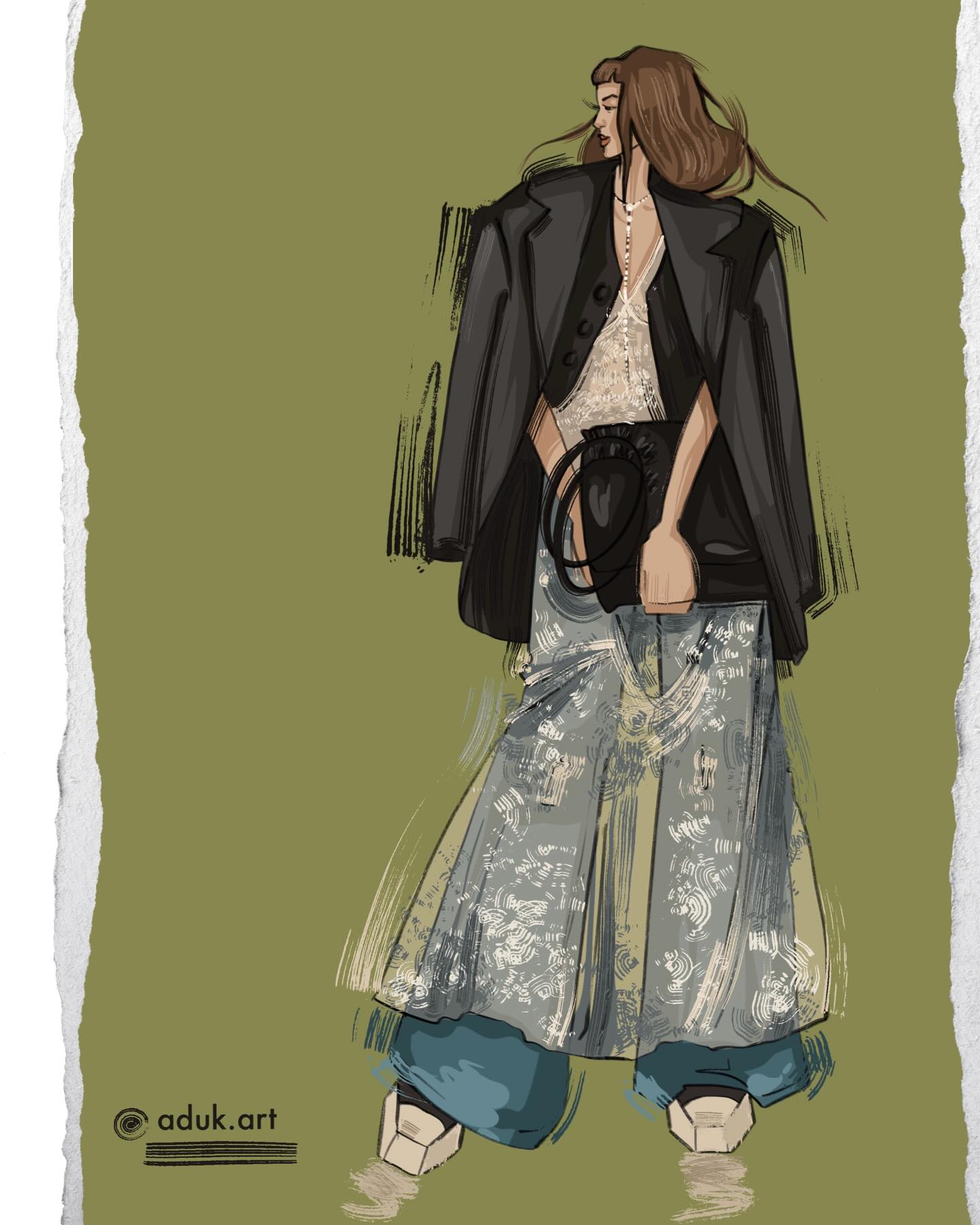
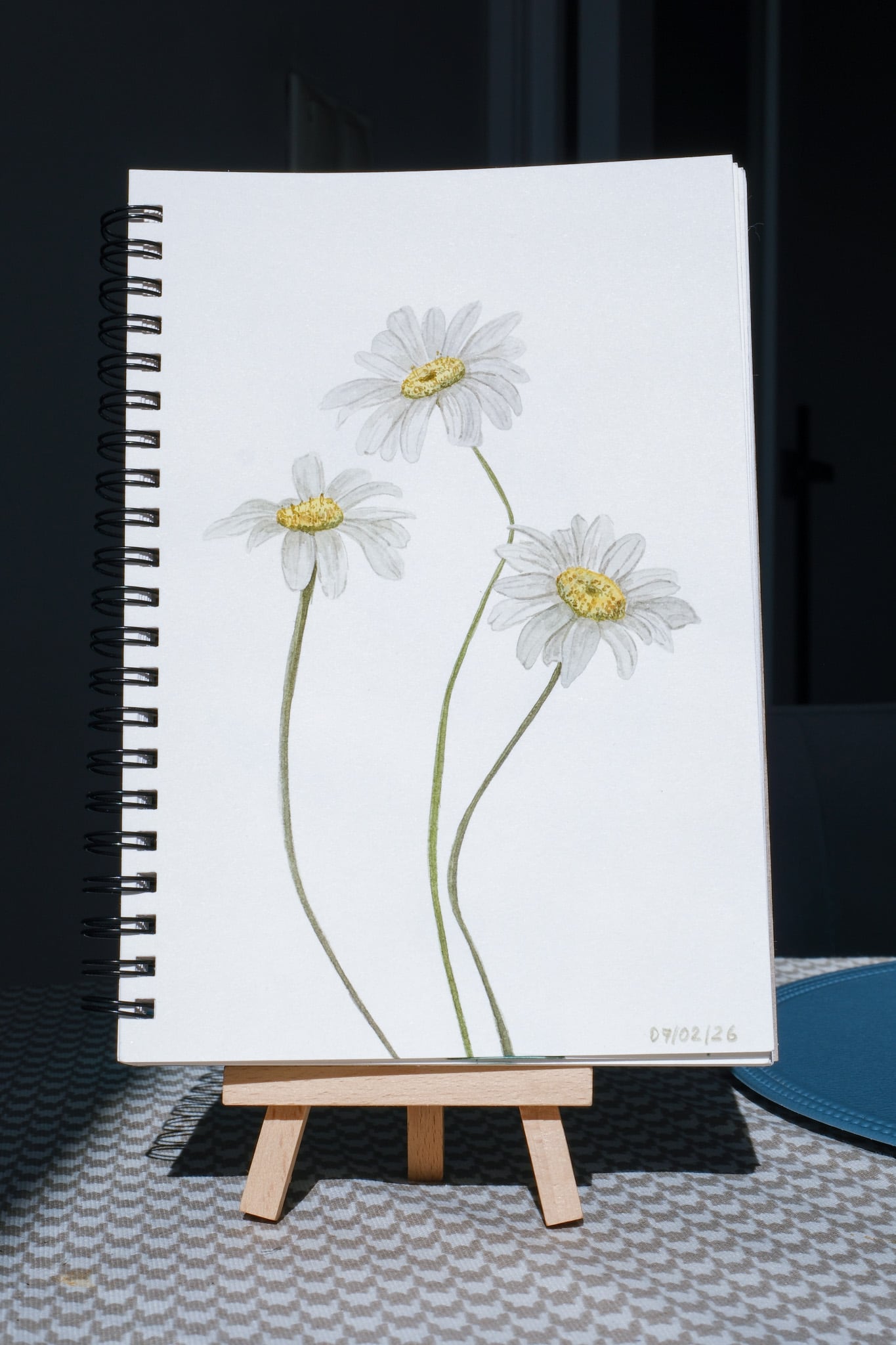
A fashion figure, a cat in a coffee cup and a page of flowers: three different subjects, each with its own rhythm. Open a story to see how the image came together.
Bring the project.
You do not need a perfect brief.
Stories & publications
For authors, publishers and editorial teams: start with the text, the reader and the role of the image. A cover, a sequence of spreads and a small illustration inside an article each ask for a different kind of thinking.
Book illustrationBrands & environments
For a product, a campaign or a space: show where the artwork will live. Scale, legibility, production and permitted uses belong in the brief from the beginning—not as an afterthought when the picture is finished.
Commercial illustrationSomething personal
For a portrait, a gift or an image connected to a place: share the reference and what matters about it. A useful brief can begin with a few sentences and an example from the portfolio that feels right.
Portraits & avatarsA visible hand behind the image.
A finished picture is only one part of the work. Sketches, material tests and process stories show the choices that brought it into being. In the journal, personal explorations, educational studies and commissioned work keep their own context.
Read about authorship & process · Press & collaborationsWhat are you making?
Tell Adelya what you have in mind, who it is for, where it will be used and whether there is a date to work toward. Links to artwork you like are welcome. Scope, timing, deliverables and usage can then be discussed around the actual project.
Start a conversationhello@aduk.artLooking around first? Follow a collection, read a process story or save a piece to reference when you get in touch.