
Fashion & Apparel Illustration
Illustrated figures, garment graphics and artwork for a connected clothing range.
Adelya works with the expressive side of fashion: the line of a pose, the shape of a coat, the image that becomes part of a piece of clothing. Choose the route that fits what you are making.
Discuss fashion illustrationSee a figure take shape
An image of fashion.
Or an image on fashion.
Figures & editorial images
Illustrations that communicate a look, silhouette or mood for a publication, presentation or campaign. The relationship between the person and the clothes is part of the story.
Apparel graphics
Artwork intended for a garment: a central illustration, smaller placement or coordinated set. The composition accounts for the printable area and the way the design sits on the object.
Textile artwork
Related motifs and repeat patterns can connect a collection without making each product identical. Provide the production requirements so the designs can be considered at the intended scale.
Let the material
have a say.
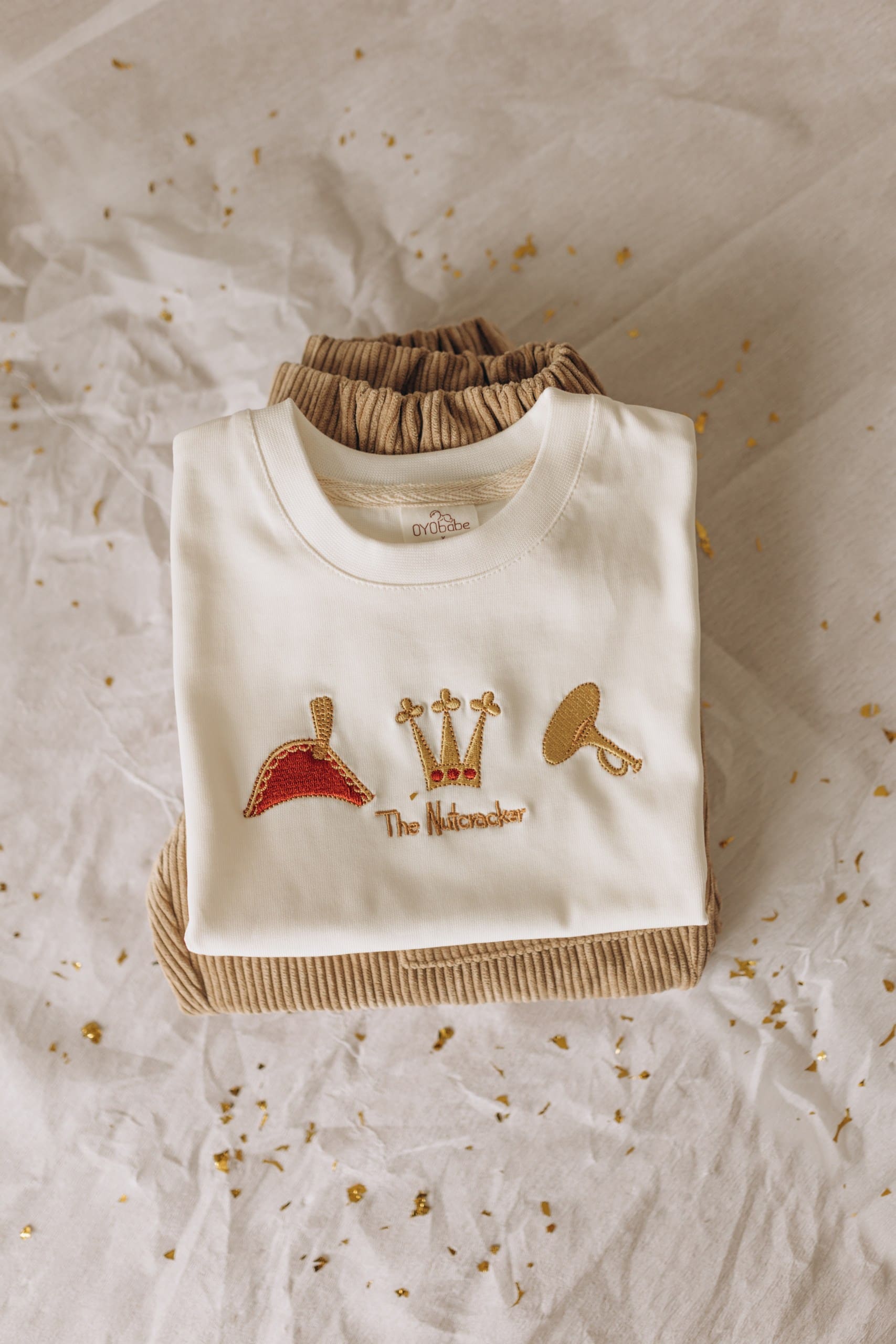
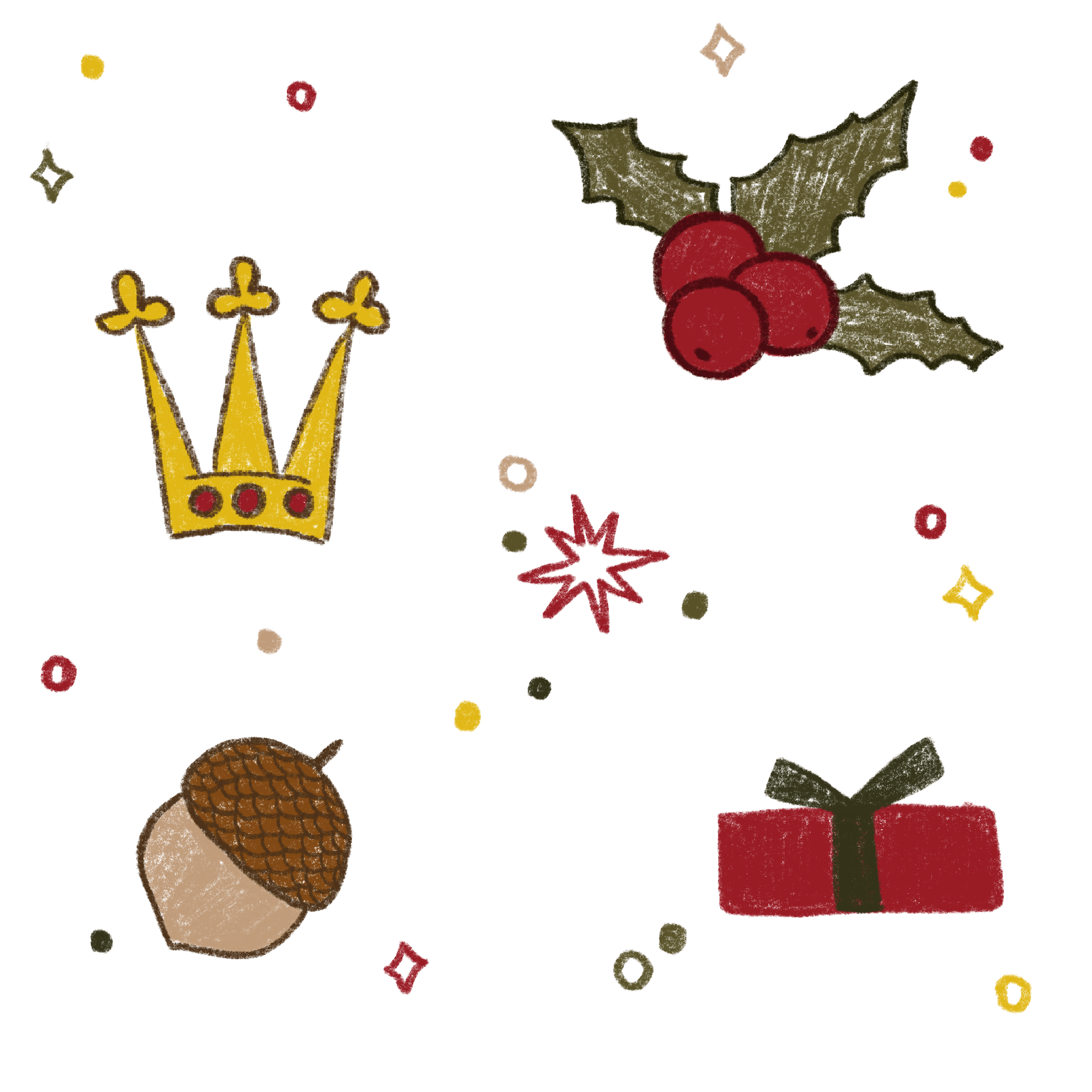
The Nutcracker illustrations developed into artwork for Oyobabe’s children’s clothing and bed linen. The published case includes actual product applications, alongside the designs that connect the collection. The source characters belong to Soyuzmultfilm and were used within that licensed project.
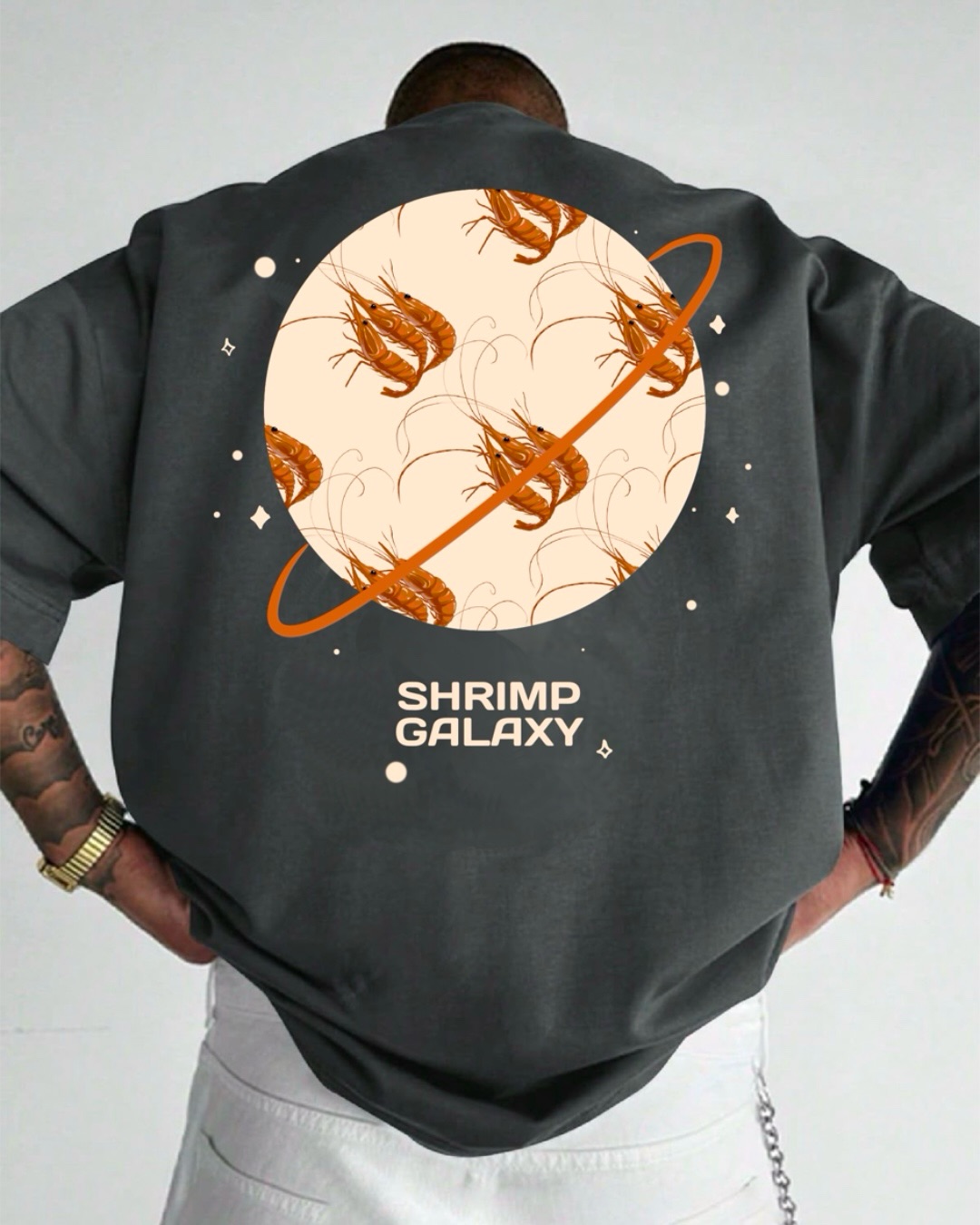
The shrimp apparel image is a separate studio mockup. It explores how another illustration might work on clothing; it is not presented as a commissioned or manufactured range.
For your project, share the manufacturer’s template, print area and material. Color limits, seams and the size of the finished graphic can change which details belong in the artwork.
The pose is
part of the clothes.
A fashion illustration can describe an outfit while communicating attitude and movement. The reference supplies the garment; the composition decides what the viewer notices first.
Share photographs or drawings of the look and identify the details that must remain accurate. Is the image about a particular product, a broader mood or the character wearing it? The Masha process story offers a starting point for discussing that balance.
A painterly illustration, a simple emblem and an embroidery design need different handoffs. Technical garment design, digitising and sample approval are separate tasks to agree rather than automatic parts of the commission.
Surface patterns · Merchandise artwork · Editorial illustration
Put this direction into a useful brief.
Bring a relevant portfolio example and describe what you like about it: the handling of colour, the expression, the texture or the composition. Then describe your own subject and where the artwork will appear. The reference starts the discussion; the new work is developed for your particular purpose.
Build a short project brief · Ask about using an existing artworkSet the direction.
Check it in context.
1. Collection & purpose
Share the audience, garment or editorial context, asset list and intended use. Agree scope, rights, budget, review stages and dates.
2. Sketch & composition
Develop the figure, motif or placement direction. Review against the actual layout or product template before final detail.
3. Finish & prepare
Refine the approved designs and prepare the specified exports. Your production team reviews physical samples unless additional coordination is included.
Fashion & apparel questions.
Do you create fashion sketches or clothing-print designs?
Both can be discussed, but they are different briefs. A figure illustration presents a look; apparel artwork becomes part of a garment. Explain the outcome and intended use.
Can you design a garment or technical pack?
This offer centres on illustration, graphics and textile artwork. Garment construction, sizing, technical packs and production engineering are not assumed to be included.
Can a design be prepared for embroidery?
Share the size and embroiderer’s requirements. Artwork development and machine digitising are separate tasks; the treatment and required handoff must be confirmed first.
What affects the price and schedule?
Figure development, number of designs, detail, variations, production preparation and usage. Send the complete asset list and launch date for a project-specific quote rather than assuming a fixed package.
Can we use the artwork in future seasons?
Describe the term, product categories and future uses in the brief. Additional seasons or categories may need an extension to the agreed licence. See the current terms.
What are you developing next?
Send the garment, collection or editorial brief, with references and the intended application.
Start a fashion-illustration briefEmail Adelya