
Storyboard Illustration
Discuss storyboard illustration for a short visual story, campaign or early-stage presentation.
A script describes what happens. Drawn frames help a team discuss what the audience will actually see. Share the story and the decisions you need the images to make clearer; scope and suitability are reviewed before a commission is accepted.
Discuss a storyboard briefExplore the drawing practice
Clarity first.
Finish only where it helps.
Rough visual development
A proposed sequence that makes the action and composition discussable. The aim is to test the idea while it can still change, not to polish every frame into a finished illustration.
Presentation frames
A more developed treatment for selected moments when mood, character or color needs to be communicated. These can be scoped separately from the rough sequence.
Campaign storytelling
A short sequence for an advertising or explanatory concept. Supply the message, script and audience, along with any established visual identity or production direction.
What changes
between one frame and the next?
Send the current script or treatment and identify the essential actions. Explain whether the sequence is being used to pitch an idea, agree a visual direction or support a production team that already has a shot plan.
Include the expected frame count, aspect ratio, level of finish and any required annotations. A request for ten rough frames is different from ten fully colored presentation images. Character development, alternate sequences and additional revisions also belong in the scope.
Identify who will approve the boards and who can answer story questions. Consolidated feedback makes it easier to distinguish a drawing adjustment from a change to the script itself.
For a manuscript or long-form illustrated narrative, explore book illustration instead.
Drawn planning.
Not a finished film.
This discussion concerns illustration for visual development. Animation, animatics, editing, sound, filming and technical production planning require their own responsibilities and agreement.
Provide any camera direction, staging constraints or production specifications that your team has already settled. Where specialist knowledge is required, name the person responsible for it rather than expecting drawings to replace that review.
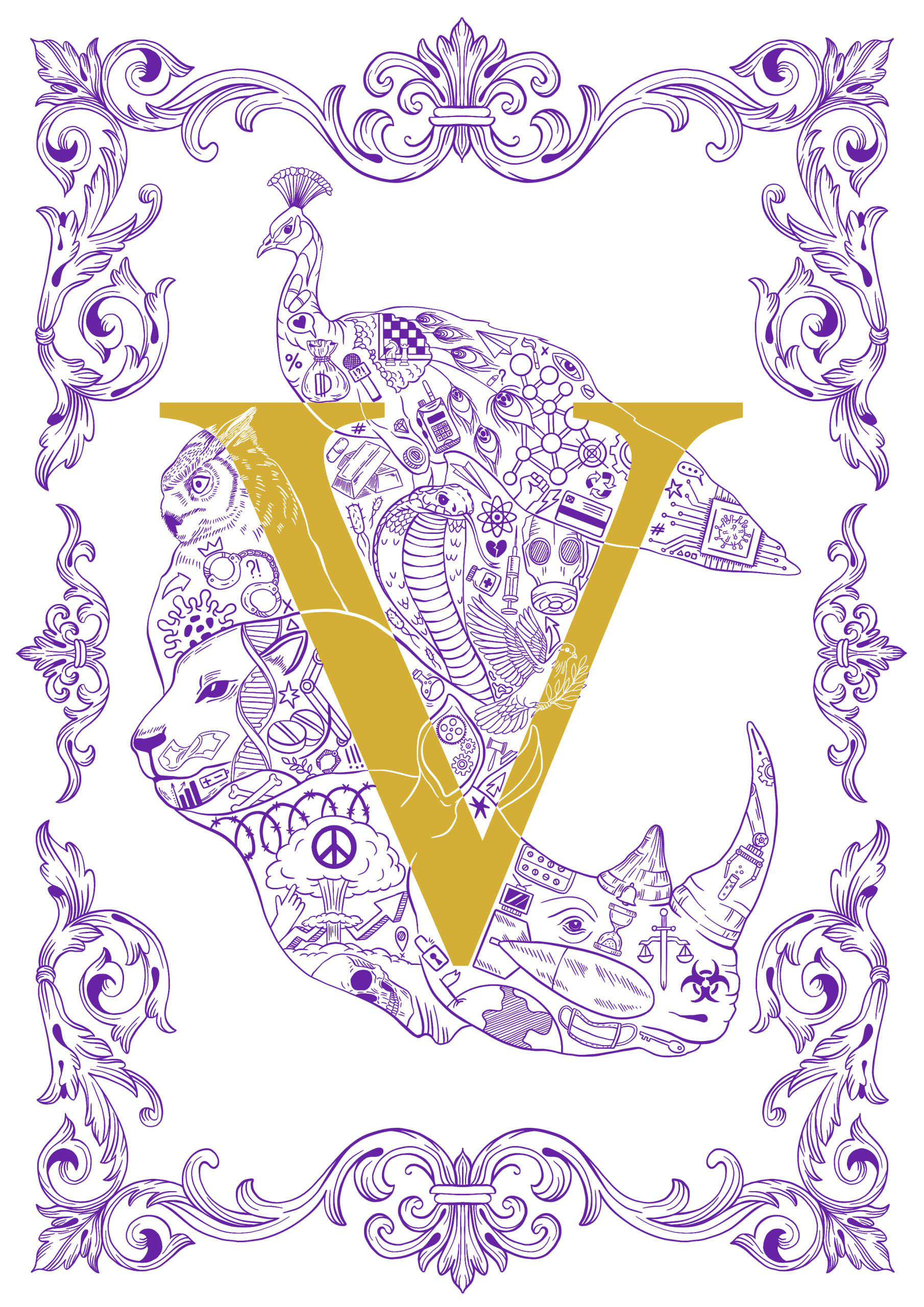
The portfolio images on this page show line work and a finished narrative cover. They demonstrate aspects of drawing and composition, not a history of completed film or advertising storyboard projects. A project-specific sample stage can be discussed to establish fit before a larger sequence.
Agree the story
before the final treatment.
1. Script & requirements
Review the story, frame count, intended use and required level of finish. Confirm suitability, scope, fee, rights and realistic review dates.
2. Rough sequence
Work through the agreed compositions and actions. This is the point to resolve major story changes, missing moments and the order of the images.
3. Refine & hand off
Develop the approved frames to the specified finish, then prepare the agreed presentation or individual image files. A revised script or added sequence can require a new scope.
Put this direction into a useful brief.
Bring a relevant portfolio example and describe what you like about it: the handling of colour, the expression, the texture or the composition. Then describe your own subject and where the artwork will appear. The reference starts the discussion; the new work is developed for your particular purpose.
Build a short project brief · Ask about using an existing artworkStoryboard questions.
Can you work from an idea rather than a finished script?
Send a treatment and identify what is still undecided. Story development and drawing a settled sequence are different tasks; the proposal needs to state which work is included.
Are character turnarounds included?
Only when specified. Character reference sheets and recurring design development are additional deliverables, not automatically part of a frame count.
Can we start with a sample sequence?
A small, separately scoped sample can be discussed before a larger commitment. It has its own fee, deliverables and approval criteria rather than being an assumed free test.
Do you provide animation or animatics?
Not as an automatic part of this illustration offer. Name the timing, motion or editing work required so availability and the appropriate production handoff can be assessed.
What determines cost and turnaround?
The number of frames, complexity, finish, character development, revisions and licence. Send the actual deadline; urgent delivery must be confirmed, not inferred.
Can the project remain confidential?
Share confidentiality and reveal-date requirements before work starts. The written agreement records them alongside usage rights. See the current terms.
What happens next?
Send the script, intended use and an approximate frame count for a suitability review.
Start a storyboard conversationEmail Adelya