
Illustration for games & cards.
A visual world that people can hold, read and play with.
A proposed route for authors and publishers exploring character, card and board artwork. Bring the game’s audience, play context and image list so the creative scope can be assessed.
Prepare your project brief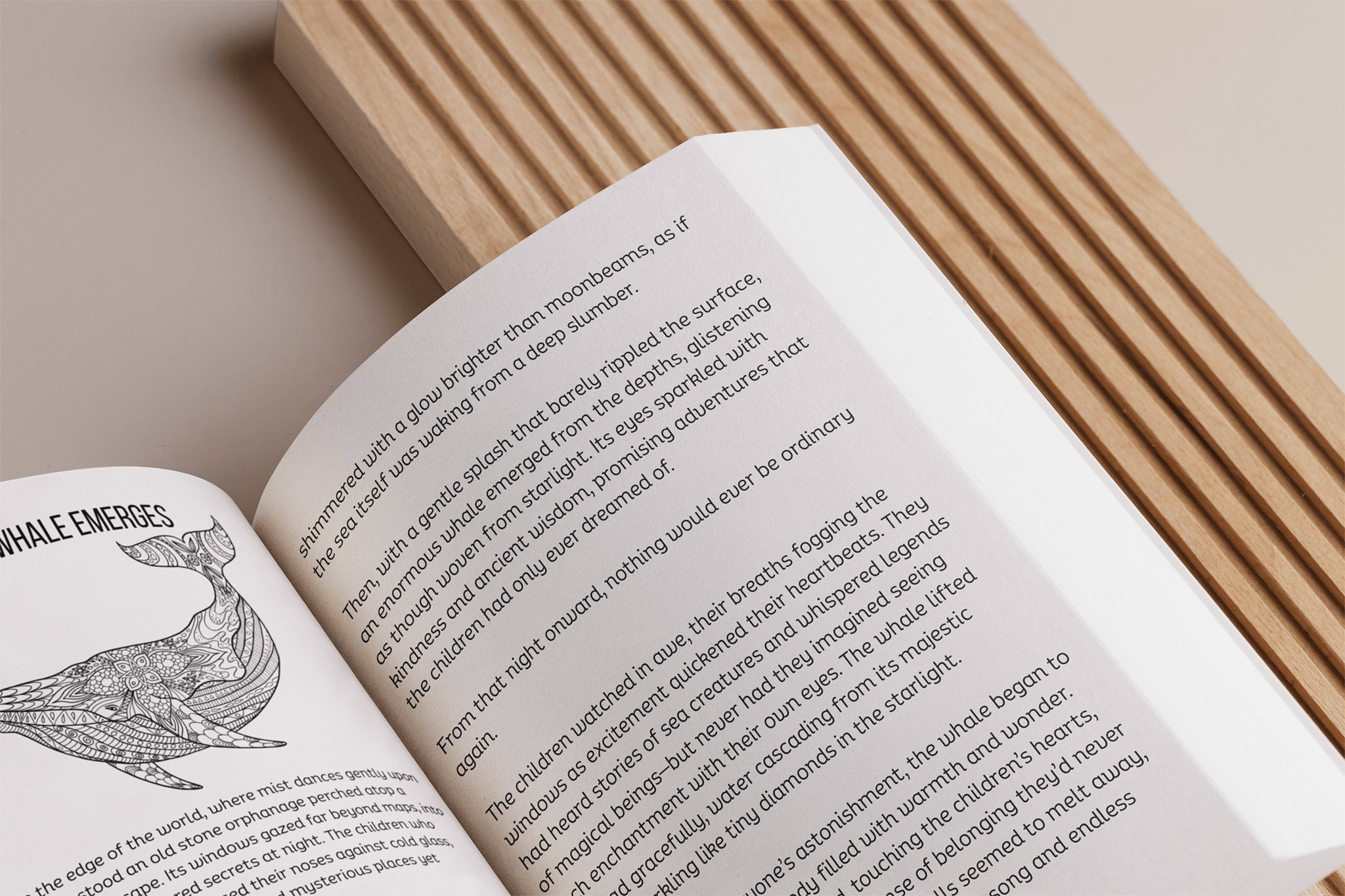
What to bring to the conversation.
- A short explanation of the game
- Player age and visual tone
- Components and illustration count
- Prototype layouts and production constraints
You can leave open questions in the brief. The first conversation establishes artistic fit, scope and availability before an order is accepted.
Start with the experience of play.
Explain what the player needs to understand and what the artwork should make them feel. Character art, a card illustration, an icon and a game board do different jobs, even when they belong to the same world.
Work from the component list.
Identify each required image and where it will be seen. Card text, safe areas, repeated symbols and small viewing sizes influence the composition. The quote should separate illustration from rules writing, interface design and complete game production.
Prototype the direction.
A separately scoped initial artwork can help establish the visual language before a larger series. Test readability in the actual layout and gather feedback from the project’s decision makers at agreed stages.
Relevant visual references.
These existing images show the visual practice. They are not evidence of a completed project in every application described on this page.


Scope, pricing & the handoff.
A written proposal identifies the original illustrations, adaptations, formats, review stages, rights, price and timing. More components, a new use or a substantial change to an agreed image can change that scope.
Tell Adelya about any external production deadline and who is responsible for preparing, checking and manufacturing the final object. The artwork delivery date and the production delivery date should be considered separately.
Read the process · Understand the quoteBefore commissioning.
Can I use an image already in the portfolio?
Ask about that particular artwork and your intended use. Existing client agreements and third-party rights may limit what can be offered.
Are editable or production files included?
Only the deliverables listed in the proposal. Name supplier requirements and editable-file needs before the project is quoted.
Can we begin with one piece?
A smaller first commission can be discussed and quoted separately. Its scope and relationship to a later series are agreed before work begins.
Tell Adelya what you have in mind.
A few sentences, the intended use and a piece from the portfolio are enough to open a useful conversation. Scope, availability and the quote follow from the actual project.
Build a short briefContact Adelya