

Wallpaper & Surface Pattern Design
Custom wallpaper and surface pattern design for rooms, textiles and the things people use.
One motif becomes a rhythm. A few related drawings become a collection. Discuss original pattern artwork by Adelya, developed around the surface, the scale and the feeling you want it to have.
Discuss a pattern commissionSee a textile project
A wall is not a sleeve.
A sleeve is not a sheet of paper.
Custom wallpaper artwork
A repeat for a room, nursery or commercial space. The brief considers how the pattern feels across a large area, where the eye rests and how the scale relates to the surroundings.
Textile patterns
Motifs for clothing, bedding and other printed fabrics. Direction, spacing and scale need to work with the product, not only with a small sample shown flat.
Paper & product surfaces
Artwork for wrapping paper, stationery, packaging and related objects. A coordinated set can include a main repeat, smaller supporting motifs and agreed color variations.

The motif matters.
So does the space around it.
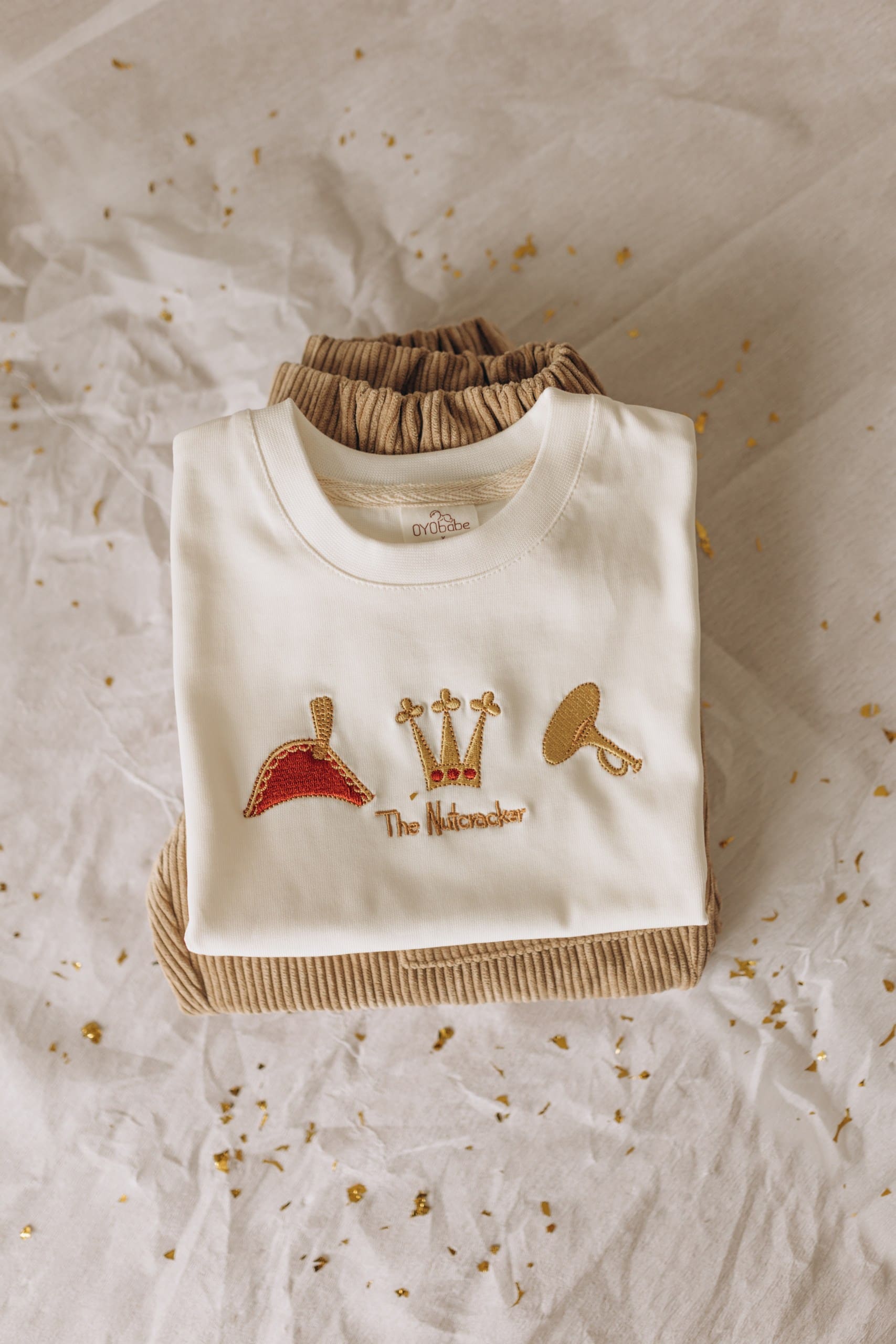
The Nutcracker project connects related illustrations across clothing and bed linen. It offers a real example of artwork moving into a product collection. Those source characters were used for a licensed project and are not unrestricted designs for another commission.
The shrimp repeat explores a different subject and mood. A pattern can feel orderly, scattered, dense or open without changing the basic subject. Color and spacing can be as important as the detail inside each motif.
For floral or botanical wallpaper, the starting point might be a particular plant rather than an anonymous flower. A nursery pattern could use gentle animal shapes; a jungle direction could bring larger leaves and characters into the repeat. These are directions to discuss, not a catalogue of ready-made rolls.
Agree what the
maker needs to receive.
Share the intended product, dimensions, material and supplier’s specification. For wallpaper, identify whether the supplier expects a repeat tile or a wall-sized panel layout. For textiles, provide any limits on color, repeat size or direction.
List the number of motifs, repeats and colorways you need. A new palette, a smaller repeat and an additional product application should be named in the scope, not discovered at handoff.
The commission concerns artwork. Material selection, manufacturing, installation and any safety or performance certification belong to the relevant supplier unless additional work is expressly agreed. A room mockup can show an idea, but it cannot confirm the material or printed color.
For one large composition rather than a repeating pattern, see interior and mural design. For labels and product ranges, explore packaging illustration.
Put this direction into a useful brief.
Bring a relevant portfolio example and describe what you like about it: the handling of colour, the expression, the texture or the composition. Then describe your own subject and where the artwork will appear. The reference starts the discussion; the new work is developed for your particular purpose.
Build a short project brief · Ask about using an existing artworkDraw. Arrange.
Review at the real scale.
1. Direction & scope
Agree the subject, surface, audience, palette, deliverables and usage. Review the manufacturer’s requirements before artwork development.
2. Motifs & composition
Develop the agreed drawings and arrange the repeat. Check spacing, direction and rhythm across several repetitions, not only one tile.
3. Variants & handoff
Prepare the specified colorways and files. Your production team checks a physical proof; any further artwork adjustments follow the agreed scope.
Surface design questions.
Can you design a seamless repeat?
Discuss the repeat size, application and required file format. The agreed repeat should be reviewed across its edges and at the intended scale before production.
Do you sell wallpaper rolls?
This is a custom artwork service, not a stocked wallpaper range. Printing, materials and installation must be arranged or explicitly included separately.
Can we request several colorways?
Yes, include their number and intended uses in the brief. Changing a palette may involve more than applying a single color adjustment, so versions belong in the quote.
Are layered or vector files included?
Only when specified. A painterly treatment and a vector-based design have different production possibilities. The medium and required handoff need to be compatible.
Can we have an exclusive pattern?
Explain the product categories, territory and period you need. Exclusivity and any broader rights are agreed in writing rather than assumed. See the current terms.
What should the repeat become?
Send the product or room, references and the production requirements you already have.
Start a surface-pattern briefEmail Adelya