

Children’s Book Illustration
Characters to care about. Pictures that reward another look.
Adelya develops illustration for children’s stories, picture books and educational projects. The starting point is the reader and the manuscript: what happens, what is felt and what the pictures can add beyond the words.
Share your book projectExplore the illustration work
Make the whole book
feel like one story.
Characters with continuity
A character needs to remain recognisable across changing poses, expressions and settings. Early character development gives the project a shared reference before the sequence of finished illustrations begins.
A rhythm across the pages
Quiet moments, wide scenes and close details do different jobs. The brief considers the relationship between images, page turns and the space reserved for text, rather than treating every spread as an isolated poster.
A visual direction for the reader
Age, tone and the way the book will be read help shape the treatment. A playful alphabet project, a gentle picture book and an illustrated chapter book need different balances of detail, atmosphere and clarity.
Stories, characters
and the shape of a page.
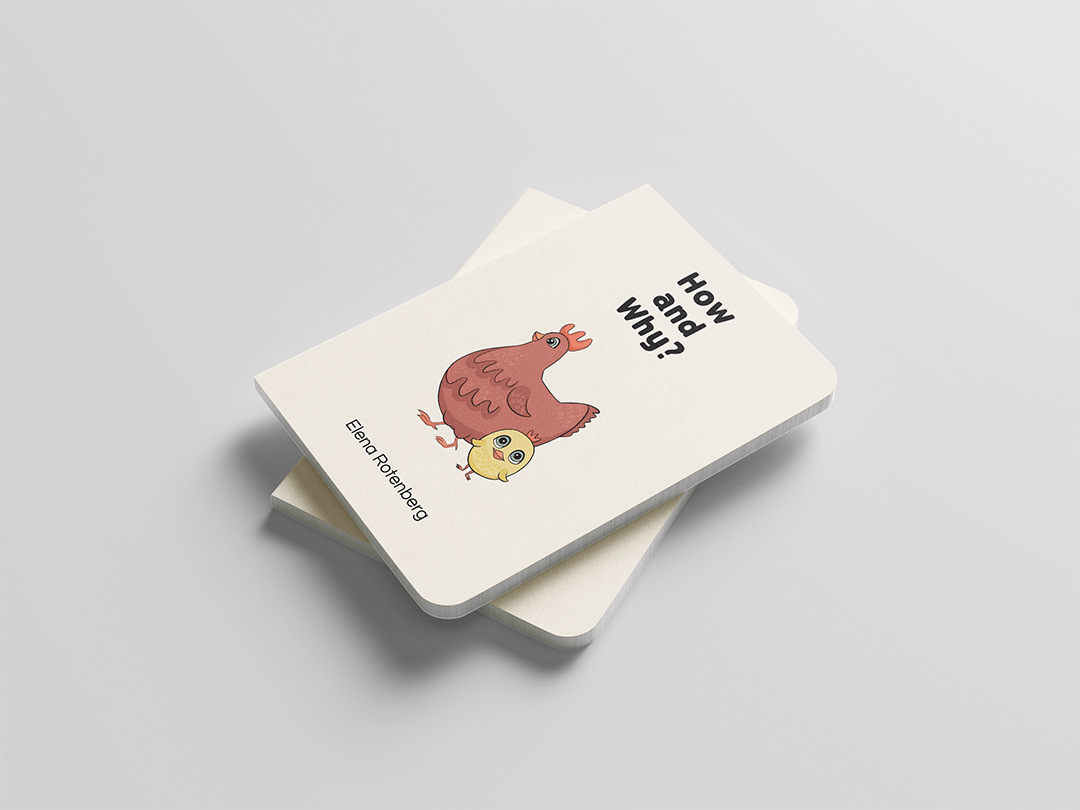
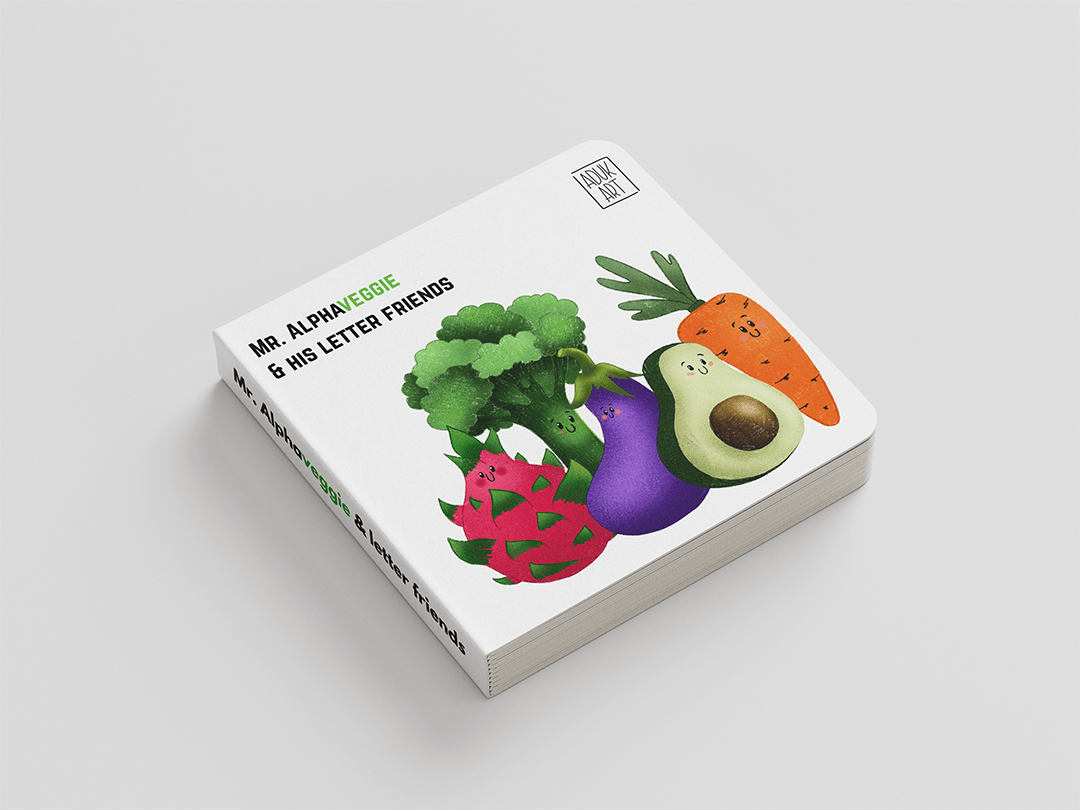
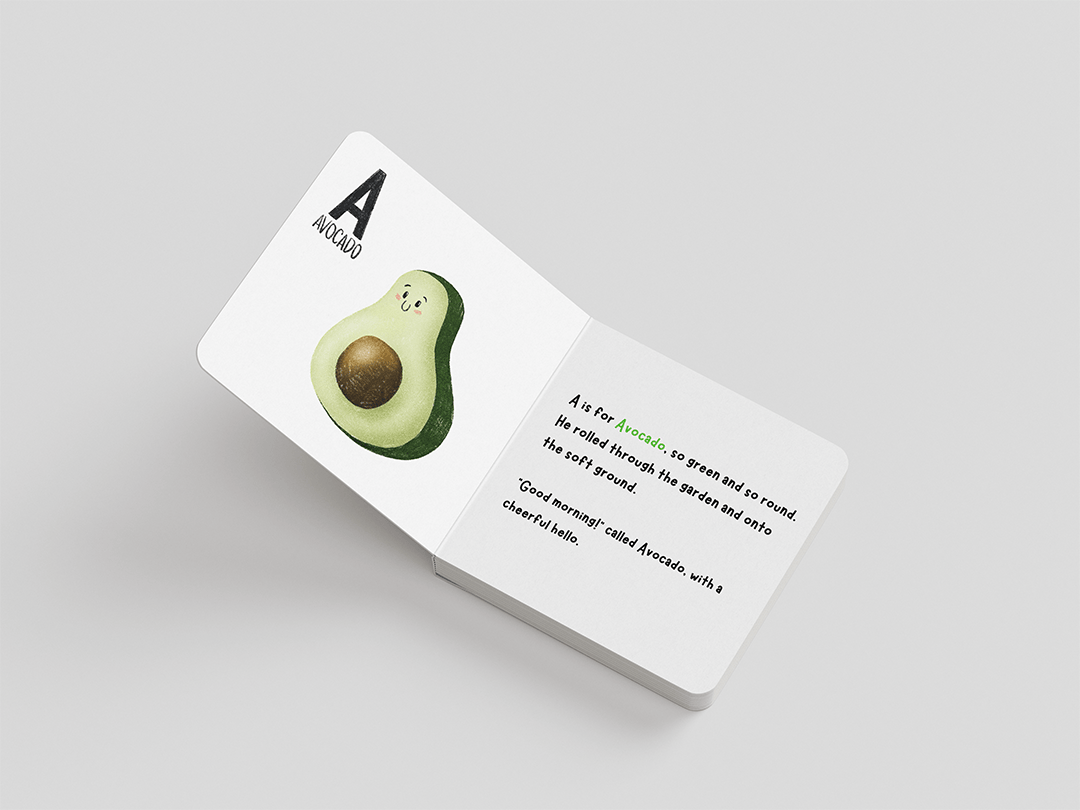
Browse these book and alphabet illustration examples for the treatment of subjects, color and composition. A new manuscript receives its own direction; an example is not a fixed package or a promise of a particular publishing format.
Build the scope
around your manuscript.
A project may include character development, a set of interior illustrations, spot artwork, cover illustration or a coordinated group of educational images. The number and type of images are agreed before production, with the brief distinguishing full scenes from smaller supporting artwork.
Cover art and complete cover design are not the same deliverable. Typography, back-cover copy, spine layout, book typesetting and print production must be included explicitly when needed. The same applies to promotional crops and artwork for activities beyond the book.
Illustration files are prepared for the specifications agreed with your designer or publisher. Trim size, bleed, text areas, color requirements and final export formats should be provided before artwork is finalised.
Bring the story
and where it is going.
Send a synopsis, the manuscript or an appropriate sample, the intended reader and your current publishing plan. Include an approximate page count, proposed book size, the number of illustrations you expect and any date you are working toward.
Self-publishing authors can start with the project as it stands. A publisher or art director can share an established brief and production specifications. In either case, explain who will approve the artwork and gather feedback so the process has a clear point of contact.
You do not need to describe every picture in advance. It helps to distinguish essential story information from suggestions, leaving space for the illustration to contribute something of its own.
For novels, poetry or a stand-alone literary cover, visit book and literature illustration.
Read. Explore.
Sequence. Refine.
1. Manuscript & brief
Review the story, reader, publishing format and intended uses. The written proposal sets out the illustration scope, deliverables, licensing, review stages, price and schedule.
2. Character & direction
Develop the agreed visual references and character approach. This is the stage for aligning the tone and checking the qualities that need to stay consistent throughout the book.
3. Sketches & sequence
Review the planned compositions in relation to the manuscript. Resolve major changes to storytelling, poses, settings and text placement before final artwork begins.
4. Finished art & handoff
Develop the approved illustrations, review at the agreed checkpoints and prepare the final exports. Your publishing team remains responsible for the final book proof unless that work is separately included.
Read the commissioning process · How illustration quotes are built
Questions before the first spread.
How do I know whether Adelya is the right illustrator for my book?
Look at the portfolio for the kind of character, color and atmosphere your story needs. Then share the manuscript and reader profile. A conversation about the actual book is more useful than choosing only by a style label or asking for an imitation of another illustrator.
How many illustrations does my book need?
That depends on the format and the role of the images. A full picture book, a chapter book and an educational title have different needs. Share the manuscript and your proposed page plan so the number and type of illustrations can be discussed rather than assumed from a standard package.
How much does children’s book illustration cost?
The quote reflects the number of illustrations, scene complexity, character development, production requirements and publishing rights. Cover artwork, extra editions and promotional assets can add scope. Send your brief and budget range for a project-specific proposal.
How long will a full book take?
The schedule is confirmed after the scope and availability are reviewed. It needs to allow time for manuscript decisions, sketches, feedback and production. Include the intended publication date early; a launch deadline is not automatically an agreed delivery date.
Can the illustrations be used in print and digital editions?
List the planned editions, languages, territories and promotional uses in the brief. The written licence should cover the actual publishing plan. Exclusivity, merchandise and copyright transfer are separate points to agree, not automatic consequences of commissioning the artwork.
Do you also publish or print the book?
This service is centred on illustration. Book design, typesetting, printing, ISBN administration and distribution should not be assumed to be included. The quote identifies any additional agreed tasks and the files to be handed to your production team.
Put this direction into a useful brief.
Bring a relevant portfolio example and describe what you like about it: the handling of colour, the expression, the texture or the composition. Then describe your own subject and where the artwork will appear. The reference starts the discussion; the new work is developed for your particular purpose.
Build a short project brief · Ask about using an existing artworkWhat will your reader
discover on the next page?
Send a synopsis, the intended age group and your publishing plan. Include a manuscript sample, approximate scope and any important dates.
Discuss your children’s bookEmail the studio