
The Illustration Process
You do not need a perfect brief. You do need room for a conversation.
A commission develops through a series of decisions: what the artwork is for, how it should feel, what it needs to contain and where it will live. This guide explains the questions and review points to expect, with the exact stages agreed for your project.
Start with your ideaUnderstand the quote
Tell the story
behind the request.
Start with what you are making, who it is for and what the image needs to do. A portrait for a gift, artwork for a book and a design for packaging each bring different questions. Include the number of images, intended formats, any important date and a budget range.
References help when you explain what you like about them. It might be the atmosphere of a watercolor, the shape of a character or the way a portrait uses colour. Two or three relevant portfolio links are more useful than a large collection of unrelated pictures.
Share material you have permission to use. Mention confidentiality, a surprise gift or an embargo before work starts. You can also say what is still undecided; the first message is not a test of your art-direction skills.
Know what
you are commissioning.
The proposal establishes the artwork, medium, size, deliverables, review stages, usage, price and schedule. It should distinguish original illustrations from adaptations and identify any production work that is included.
Payment arrangements are set out for the order. An inquiry does not reserve a date or constitute an accepted commission; the project begins under the written confirmation and agreed payment terms.
For commercial work, describe the channels, products, territory and period of use you need. For physical artwork, discuss the original, any reproduction files and delivery. Editable source files, printing and installation are not interchangeable with the artwork itself.
Make the big decisions
while they are still easy to change.
The agreed sketch stage makes the composition, characters and visual direction discussable. Check what matters to the brief: the subject, the relationship between elements, the space for text and the feeling of the image.
A sketch is not a miniature final painting. Its job is to resolve the direction before colour, texture and detail make major changes more involved. For a series, the review may also establish how the images relate to one another.
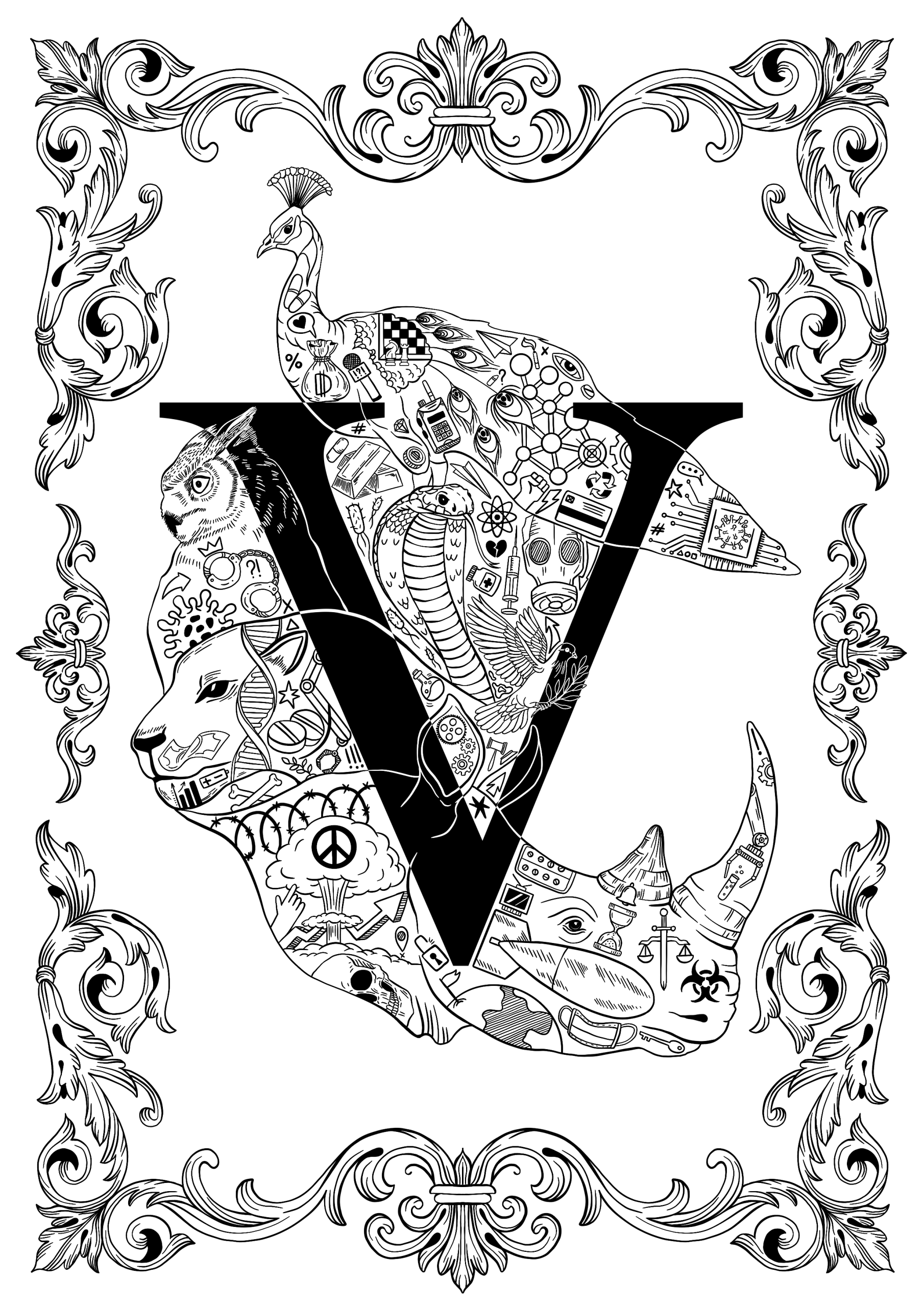
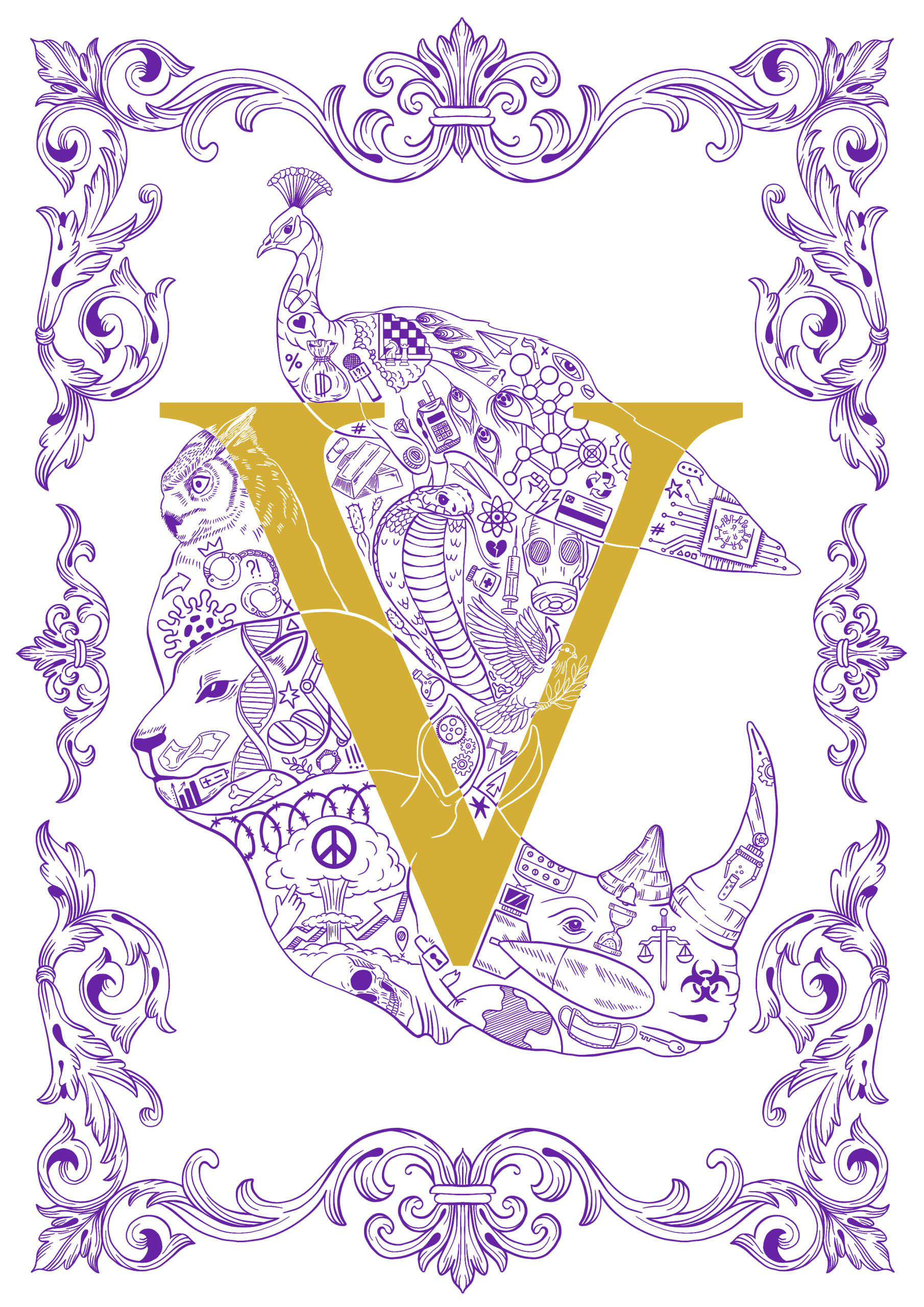
The BornWild Versus images below show the line-work and finished colour treatments of the same cover. They are a real portfolio comparison, not a claim that every commission follows an identical drawing method.
Useful feedback
points to the purpose.
Describe the change and why it matters. “The expression should feel more relaxed” gives a clearer direction than “something is wrong.” Where possible, gather feedback from everyone involved into one considered response at the agreed checkpoint.
Revision rounds follow your order. A correction within the approved direction is different from adding a person, replacing the subject or changing the intended use. A substantial change can affect the scope, fee and timeline.
Keep the final application in view: a small avatar, a printed spread and a wall-sized image are seen differently. Your designer or production team should review the requirements they are responsible for before the artwork is signed off.
The handoff
matches the agreement.
After approval, the finished work is prepared in the specified formats and sizes. Digital exports, a physical original, print production and editable files are different deliverables; the order says which you receive.
The licence records the permitted use. Under the site’s general terms, copyright remains with the artist unless a separate transfer is agreed in writing. Further products, editions or campaigns can be discussed when your project grows.
For a physical order, confirm the delivery arrangements and any production lead time. The artwork deadline and the date an object arrives are not necessarily the same. Portfolio use and any privacy agreement also follow the written terms.
Physical delivery & order help · More commissioning questions
A few practical questions.
How long does an illustration take?
Timing depends on scope, availability, review stages and production needs. Share your deadline early. A delivery date is confirmed for the project rather than inferred from the timing of another portfolio piece.
How many revisions are included?
The allowance and review stages are specified in the order. Consolidated feedback helps use those stages well. New subjects or major changes may require an updated quote.
What file formats will I receive?
The formats needed for your use, as agreed before work begins. Tell Adelya about printer specifications, transparency, layered-file needs and additional crops at the briefing stage.
Can we begin with a smaller sample?
A separately scoped sample or first artwork can be discussed. Its fee, deliverables and relationship to a larger project should be agreed rather than assumed to be a free test.
What are you making?
Send the idea, the intended use and a reference or two. That is enough to begin a useful conversation.
Discuss your projecthello@aduk.art