

Coloring Book Design
Original line art that invites someone else to add the color.
Adelya creates custom coloring-page illustrations for publishers, independent projects and brands. Build a whole themed collection or begin with a small set of pages designed for your audience and format.
Discuss your coloring projectExplore the artwork
Good line art has
its own kind of rhythm.
A coherent theme
Animals, plants, places, characters or a subject particular to your project can connect a series. The brief establishes which motifs repeat and where variety will keep the pages interesting.
The right level of detail
A spacious page for younger children and a more intricate adult coloring design need different decisions about shape, density and scale. Define the intended audience and how they will use the pages before choosing the treatment.
A format that works
Page dimensions, margins and the planned printing method influence the drawing. A design should be considered at its intended size, not only enlarged on a screen where every fine detail is easy to see.
The drawing is the invitation.
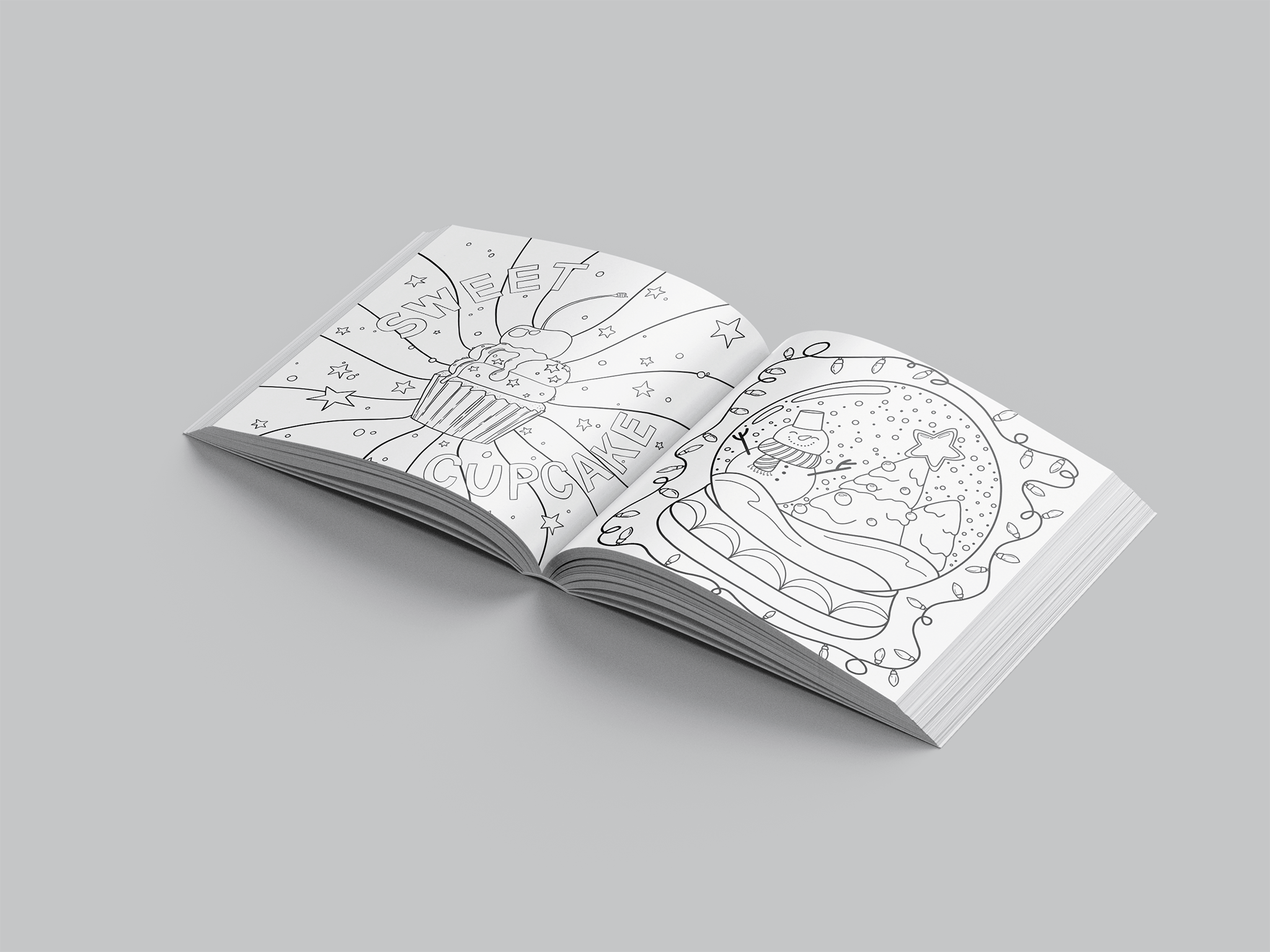
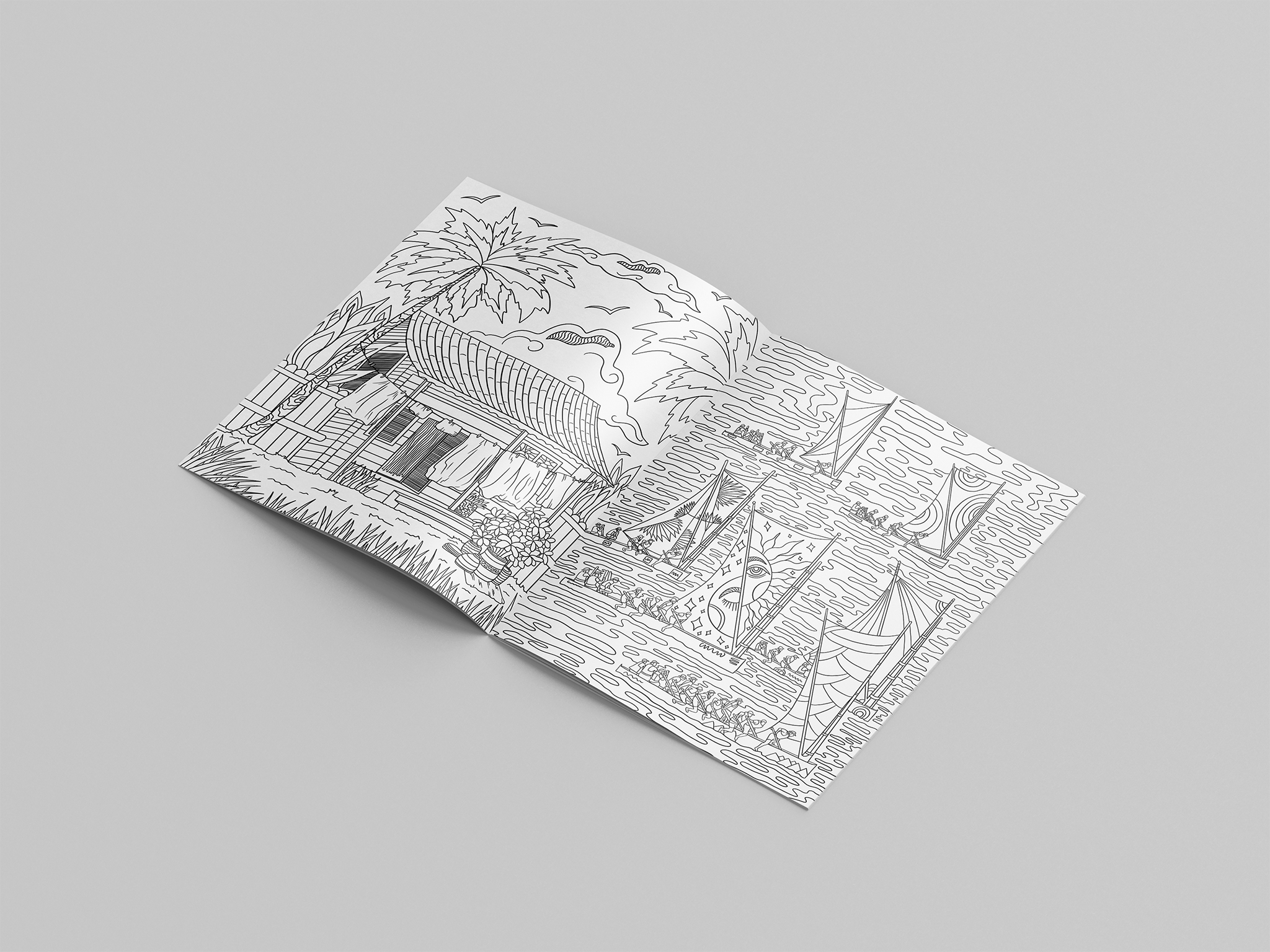
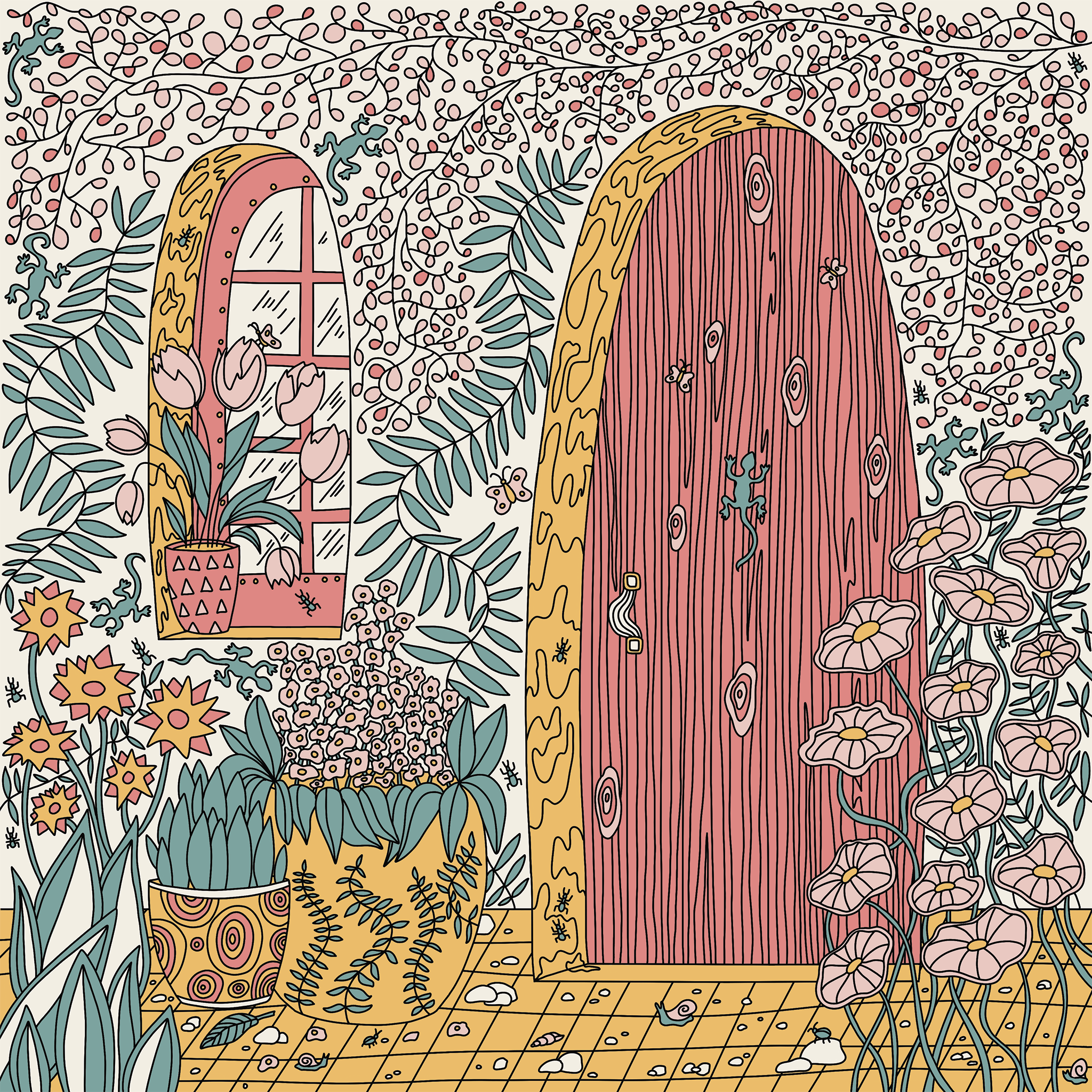
These examples show different compositions and the relationship between outlines, enclosed areas and open space. Use them to discuss the kind of coloring experience you want the pages to offer.
One page or
a connected collection.
A brief can cover a single custom coloring sheet, a themed series, activity-book artwork or illustrated pages for a brand project. A pilot page can be discussed before committing to the full series, with its own scope and review stage.
For a book, decide whether you need line-art illustration alone or additional cover artwork and page-layout work. For a downloadable pack, explain the intended file format, page sizes and distribution method. For a brand, share the visual guidelines and the role of logos or required text.
This page is for commissioning new artwork. The portfolio examples are not presented as a ready-made pack available for immediate download.
Think about the page
after it leaves the screen.
Provide your printer’s specifications and explain how the pages will be reproduced. Line weight, printable area and the density of detail can then be reviewed in context. Physical paper choice, binding and print tests belong with the production team unless separately agreed.
For an educational project, supply the learning brief, age range, required wording and any content that needs specialist review. Illustration can support an activity, but pedagogical development or validation is a separate responsibility.
Commercial sale, classroom distribution, promotional giveaways and personal use are different permissions. The agreement should state which uses, quantities or editions apply to your project.
Set the direction.
Then build the series.
1. Audience & theme
Share the subject, reader, page count, format and intended use. The proposal defines the illustrations, review stages, delivery files and licence.
2. Sample & composition
Agree the drawing style, level of detail and the structure of the pages through the planned sketch or sample stage. Resolve recurring motifs before extending the direction across a set.
3. Line work & review
Develop the agreed illustrations and review the line art at the intended scale. Consolidated feedback helps keep the series consistent.
4. File preparation
Deliver the approved artwork in the specified formats. Full book assembly, printing and platform submission are separate tasks unless the quote includes them.
Before the first outline.
Can you design coloring pages for children and adults?
Share the intended audience and the level of detail you want. These are different briefs, and the treatment should be chosen for the people who will use the pages rather than applying the same density to every project.
Can we start with a sample page?
A separately scoped sample can be discussed as a way to agree the visual direction. It is not an automatic free trial; the quote should state what the sample includes and how it relates to a later series.
Can I sell the finished coloring book?
Commercial publishing and sale can be included in the written licence. Describe the planned formats, editions and distribution before ordering so the rights match the project.
Are the files print-ready PDFs?
The final exports are agreed from your production requirements. A PDF, individual image files, cover art and a complete assembled book are different deliverables. Provide the printer’s specification before final artwork is prepared.
What determines the price and schedule?
The number of pages, complexity, recurring character work, cover or layout requirements, rights and review stages. A short set of simple sheets and a detailed full-length book are quoted separately.
Do you handle printing or publishing-platform uploads?
These are not assumed to be part of an illustration commission. Ask for any additional help in the brief. The current terms and your written order define the agreed scope.
Put this direction into a useful brief.
Bring a relevant portfolio example and describe what you like about it: the handling of colour, the expression, the texture or the composition. Then describe your own subject and where the artwork will appear. The reference starts the discussion; the new work is developed for your particular purpose.
Build a short project brief · Ask about using an existing artworkWhat should the first page be?
Send the theme, audience, approximate number of pages and the way you plan to use or publish them.
Start a coloring-book briefEmail AdelyaLooking for illustrated stories instead? Explore children’s book illustration.